
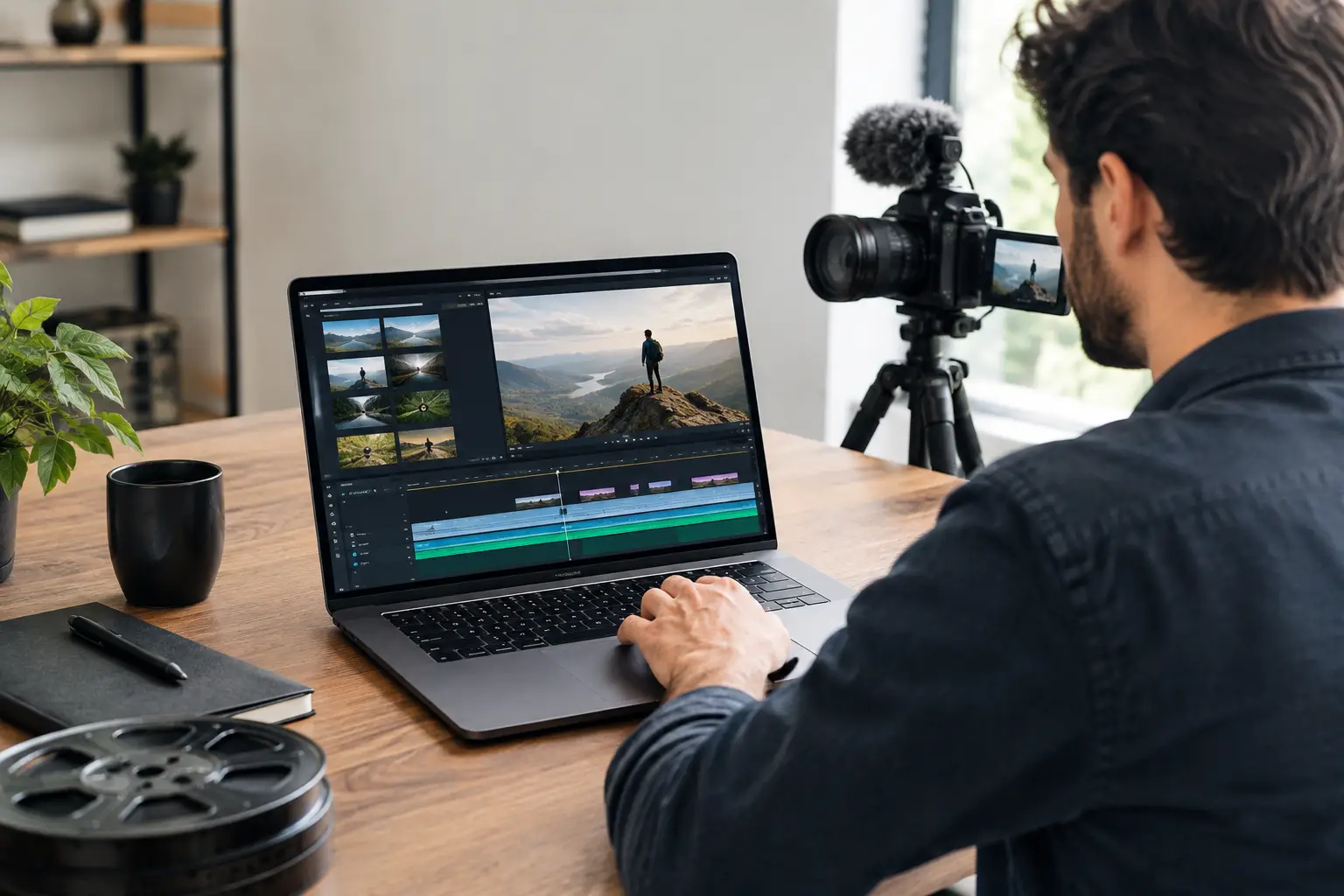
A documentary channel does not fail because the creator lacks ideas. It fails because every video becomes a one-off production marathon. This documentary channel launch guide is built to prevent that problem: choose a clear lane, build a repeatable production system, and publish enough quality videos for YouTube to understand who should watch them.
For faceless creators, solo operators, and small teams, the goal is not to make one perfect documentary. The goal is to build a content library that compounds views, authority, and revenue over time.
Start With a Documentary Niche You Can Repeat
“Documentary” is a format, not a niche. A channel about everything from ancient empires to celebrity scandals to deep-sea creatures may sound flexible, but it gives viewers and the algorithm very little to hold onto. Early on, specificity is an advantage.
Choose a topic area with three qualities: a reliable supply of story-worthy subjects, clear viewer demand, and enough range to produce at least 30 video ideas without stretching. History mysteries, business collapses, military technology, scientific discoveries, true survival stories, and geography all work because each can produce both evergreen and timely topics.
The best niche sits at the intersection of interest and repeatability. You do not need to be a lifelong expert, but you do need a defined editorial point of view. A channel focused on “the rise and fall of companies” is easier to package than a broad channel about business. “Forgotten engineering disasters” gives viewers a sharper reason to subscribe than general science content.
Before naming the channel or designing a logo, write 30 potential titles. If the list comes together quickly, the niche has production depth. If every idea feels unrelated, narrow the promise until it becomes obvious what the next video should be.
Balance evergreen topics with trend-driven demand
Evergreen videos can earn views for months or years. Subjects such as the fall of Rome, the Titanic, the Manhattan Project, or the psychology of cults have dependable search and recommendation potential. Trend-driven topics can generate faster momentum when a public event, anniversary, cultural moment, or news cycle gives a subject fresh relevance.
A practical launch mix is mostly evergreen content with a smaller number of timely stories. Chasing every trend can make a channel feel scattered. Publishing only timeless subjects can make early discovery slower. Use trends when they fit your core promise, not as a replacement for a niche.
Build Your Documentary Channel Launch System
A successful launch is a production system, not a publishing date. Your system should reduce the decisions required for each video while leaving room for better storytelling.
Start by setting a realistic output target. One strong upload per week is a credible starting point for many new channels. If you can maintain two weekly uploads without lowering research, narration, visual, or packaging quality, that gives YouTube more opportunities to test your content. Daily publishing is not automatically better if it creates rushed scripts and weak retention.
Create repeatable standards for runtime, structure, visuals, and voice. For example, your first batch may use eight- to 12-minute videos, a cinematic but clear narration style, and a consistent thumbnail look. Consistency helps viewers recognize your videos in a crowded feed. It also prevents you from reinventing the channel with every upload.
Your production workflow should move in a simple order: select a subject, validate the angle, create a fact-grounded script, produce narration and visuals, package the video, then publish with optimized metadata. The fewer handoffs and disconnected tools involved, the more likely you are to keep publishing.
DocuViralPro is designed around that workflow, generating a complete documentary production package from a topic, including a verified script, professional narration, storyboard-based slideshow video, thumbnail, sources, citations, and a full SEO suite. That matters when your biggest constraint is not ideas, but the hours required to turn an idea into a publishable asset.
Create Videos People Want to Finish
Documentary channels earn long-term growth through retention. A viewer who clicks but leaves after 20 seconds sends a very different signal than a viewer who watches most of the story and chooses another video on your channel.
The opening should establish tension immediately. Do not spend the first 30 seconds explaining the channel, welcoming viewers, or giving a broad definition of the topic. Lead with the contradiction, risk, mystery, or surprising outcome that makes the story worth watching.
A strong opening might frame a business documentary around the company that was worth billions before disappearing almost overnight. A historical documentary might begin with the decision that changed a war before explaining the people behind it. Give the viewer a reason to stay, then deliver the context.
Use a structure that creates momentum
Most effective documentary videos follow a clear progression: setup, rising stakes, turning point, and outcome. The audience should feel that each section advances the story rather than repeating background information.
Research is still non-negotiable, even with AI-assisted production. Documentary viewers can be highly informed, and factual mistakes damage trust quickly. Use credible source material, separate confirmed facts from disputed claims, and avoid presenting speculation as certainty. If a story contains conflicting accounts, explain the conflict. That nuance makes the content more credible, not less entertaining.
Visuals should support the narration rather than merely fill space. Match archival images, maps, timelines, charts, locations, and cinematic footage to the point being made. A slideshow documentary can feel polished and immersive when the visual sequence has intentional pacing and a shared theme.
Package Each Upload for Clicks and Clarity
Great videos still need a clear entry point. Your title and thumbnail should communicate one compelling idea at a glance. Do not make viewers work to understand what the video is about.
A title should state the subject and imply a payoff. “Why This Billion-Dollar Company Vanished” is more focused than “The Story of a Company.” “The Disaster That Changed Modern Aviation” makes a stronger promise than “Aviation Documentary.” The exact wording depends on the niche, but the viewer should immediately recognize the stakes.
Your thumbnail should not repeat the full title. Use a powerful image, a recognizable face or object when relevant, and a small amount of readable text only when it adds meaning. A thumbnail crowded with tiny details often loses against a simpler design on mobile screens.
Descriptions, tags, chapters, and keywords matter because they help YouTube categorize the video, but they cannot rescue an unclear package. Build metadata around the primary topic and natural viewer search terms. Then make the first lines of the description useful enough to confirm the video’s promise.
Launch With Enough Content to Build a Signal
Launching with one video creates a dead end. A viewer may enjoy it, visit the channel, and find nothing else to watch. Start with a small but connected library so every initial viewer has a next step.
A strong minimum is three to five videos ready to publish. These should all fit the same channel promise while covering slightly different angles. If your niche is historical disasters, for example, one video could cover an engineering failure, another a maritime catastrophe, and another a decision-making breakdown. The channel feels focused without becoming repetitive.
Publish the first videos on a predictable schedule. Avoid dropping everything at once unless you have a reason to support a binge-first strategy. Spacing uploads gives each video time to gather data while still showing new visitors that the channel is active.
Do not judge the channel after the first few uploads. Early videos are testing grounds for topics, openings, thumbnails, and audience fit. Watch for patterns in click-through rate, average view duration, returning viewers, and the videos that generate comments. One breakout upload is useful, but repeatable patterns are more valuable.
Improve the System, Not Just the Next Video
When a video underperforms, do not immediately abandon the niche. Diagnose where the drop happened. Low impressions may point to a topic or packaging issue. Low click-through rate often means the title and thumbnail are not creating enough curiosity. A sharp early retention decline usually means the opening is too slow, too vague, or disconnected from the title’s promise.
Make one or two changes at a time. If you change the topic, thumbnail style, video length, narration tone, and editing approach at once, you will not know what improved the result. Treat your first 20 uploads as a structured learning period, not a verdict on your ability to grow.
The creators who build durable documentary channels are not always the ones with the biggest launch. They are the ones who turn research, production, publishing, and performance review into a system they can run again next week. Make your first upload the start of that system, then give every video a clear job: earn the click, hold attention, and lead viewers to the next story.